
English| EUR
Suggested for you
More currencies
Choose a language
Bimini's shallow reefs and gin-clear water draw snorkelers to some of the Caribbean's most accessible marine habitats. Yet warm visibility and gentle currents don't eliminate hazards—jellyfish, fire coral, and shifting weather demand preparation. This guide covers water conditions, wildlife encounters, and the protocols that separate safe exploration from preventable injury.
Quick answer
Snorkeling Bimini is generally safe when you follow standard marine precautions and choose calm-weather windows. Water temperatures stay between 24–29°C year-round, visibility averages fifteen to thirty meters, and most sites lie in waist-to-chest depth over sand and coral substrate. The primary risks—stinging organisms, sun exposure, and occasional strong currents near channels—are manageable with protective clothing, reef-safe awareness, and respect for tidal flow. Public beach access is free; optimal underwater clarity occurs between 08:00 and 16:00.
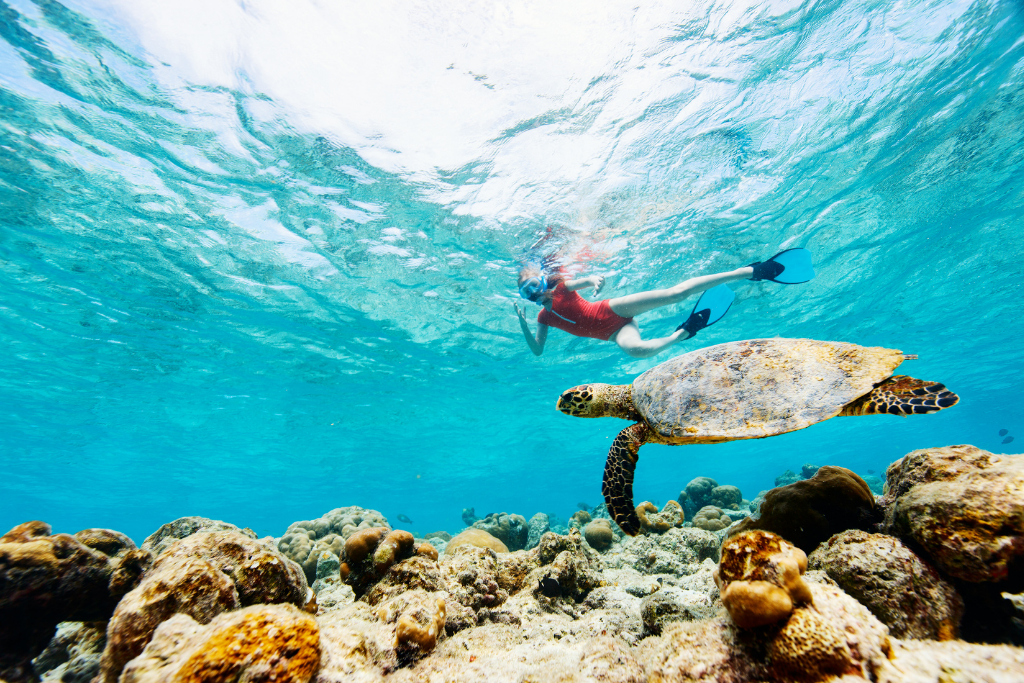
Bimini sits forty-eight nautical miles east of Miami on the western edge of the Great Bahama Bank, where the Gulf Stream sweeps past shallow limestone plateaus covered in elkhorn and brain coral. That proximity to deep ocean means nutrient-rich water and year-round clarity, but it also means currents can accelerate without warning near cuts and channels. Most recreational snorkeling happens inside the bank's protected lee, where wave action stays minimal and depths rarely exceed four meters. The question of whether snorkeling Bimini waters poses undue risk hinges on three variables: sea state, marine organism contact, and swimmer competence. Calm days between May and October deliver near-zero swell and visibility that stretches past twenty-five meters, turning even beginner excursions into low-stakes drift floats over seagrass beds and patch reefs. Winter months bring occasional cold fronts that churn surface water and drop visibility to ten meters, though serious hazards remain rare. Fire coral, which resembles branching mustard-colored fans, grows on many shallow reef structures; brushing against it causes immediate welts that can last days. Moon jellyfish and the occasional Portuguese man-o-war drift through Bimini's shallows during summer, their tentacles trailing unseen until contact. Stingray encounters happen frequently on sand flats near mangrove channels, and while rays flee from noise and movement, shuffling your feet when wading prevents the defensive tail strike that sends most snorkelers to urgent care. Nurse sharks rest under coral ledges during daylight hours and pose zero threat unless cornered. Barracuda follow snorkelers out of curiosity, not aggression, though shiny jewelry can trigger investigative approaches. The real statistical risk isn't wildlife—it's dehydration, sunburn on the back of legs and shoulders, and fatigue from swimming against an outgoing tide. Snorkeling safety in Bahamas waters comes down to preparation, not luck. Wearing a full-coverage rash guard eliminates most jellyfish and coral contact. Checking wind forecasts ensures you enter the water during the calmest window. Snorkeling with a partner and staying within designated swim zones keeps you visible to watercraft and within reach of shore. Bimini's reefs reward caution with encounters most divers spend thousands to access—hawksbill turtles grazing on sponges, spotted eagle rays gliding over sand, and walls of blue tang moving in synchronized schools through staghorn thickets.
“Bimini's reefs reward caution with encounters most divers spend thousands to access—hawksbill turtles grazing on sponges, spotted eagle rays gliding over sand, and walls of blue tang moving through staghorn thickets.”
The best time to snorkel in Bimini is within the optimal arrival window of 08:00–16:00, which provides maximum daylight for underwater clarity. Planning your visit during this period ensures the best visibility of marine life and stable conditions for safer water entry.
08:00–16:00 window
High visibility and active marine life occur during these hours. Always check local marine forecasts before entering the water.
Warm 78°F–84°F
These months offer calm seas and clear water. Prioritize morning hours to avoid afternoon wind shifts.
Warm 80°F–86°F
While temperatures are high, this period coincides with hurricane season. Monitor weather reports daily for safe conditions.
Verdict: For optimal safety and visibility, plan your snorkeling excursions between 08:00 and 16:00 during the months of April or May.
Snorkeling in Bimini's waters is generally safe when you follow basic marine safety protocols and respect the ocean environment. Proper preparation and awareness of your surroundings minimize risks from boat traffic and wildlife encounters.
Visitors to Bimini's snorkeling sites often underestimate ocean conditions or make contact with fragile marine life. Recognizing these errors before you enter the water reduces risk and protects the reef.
Ignoring current strength before entering the water
Check wind direction and wave height from shore. If you feel pulled sideways within the first few strokes, exit immediately and choose a calmer site.
Touching or standing on coral to rest or stabilize
Maintain neutral buoyancy by adjusting your breathing rhythm. If you need a break, swim back to shallow sand or return to your boat rather than grabbing reef structure.
Snorkeling alone in open water around Bimini
Always use the buddy system. Currents can separate swimmers quickly, and a second person provides immediate help if you cramp or lose a fin.
Overestimating swimming stamina in ocean conditions
Start with short 15-minute sessions close to shore. Ocean snorkeling demands more energy than pool swimming, and fatigue sets in faster than most expect.
Wearing no sun protection on back and legs
Apply reef-safe sunscreen 20 minutes before entering, and consider a long-sleeve rash guard. Reflected sunlight from the water surface doubles UV exposure on submerged skin.
Public access to beaches and islands in the Bimini Islands is free of charge. Costs for snorkeling activities typically relate to professional equipment rental or guided services for offshore sites.
Verdict: A typical visitor pays 0 BSD for beach access, though costs will vary when selecting guided tours for offshore snorkeling.
Bimini is located in the westernmost district of The Bahamas, accessible primarily via air travel to South Bimini Airport or ferry services from Florida. Once on the islands, most coastal snorkeling sites are reached by local boat charters or short walks to public beach access points.
Charter service from Alice Town or South Bimini
Local transit on North and South Bimini
Walking to public beach access points
Coordinate with local boat operators in advance to reach offshore snorkeling sites, and plan your coastal movements to align with the arrival window of 08:00–16:00 for optimal visibility.
Everything you need to know about is it safe to snorkel in bahamas
Yes, snorkeling in Bimini is generally considered safe when you follow standard water safety protocols and check local weather conditions. Visitors should remain aware of their surroundings and current strength while enjoying the marine environment. Understanding if it is safe to snorkel in Bahamas territories often depends on individual experience and ocean conditions. Always prioritize caution to ensure a positive experience in these Atlantic waters.
Preparation is key for any excursion involving coral reefs and aquatic life. Checking marine forecasts and local visibility reports will help you determine when it is safe to snorkel in Bahamas areas. Respecting the local ecosystem ensures both your safety and the preservation of the vibrant underwater world.
Beginners can enjoy snorkeling safely by choosing calm, shallow areas and using appropriate flotation devices. It is always recommended to stay within your limits and avoid venturing too far from the shore. Asking locals or professional guides is a great way to confirm it is safe to snorkel in Bahamas spots near your accommodation.
We recommend adhering to the best arrival window of 08:00–16:00 to ensure optimal daylight visibility for underwater clarity and marine life activity. During these hours, the water is typically easier to navigate, providing a better environment for viewing marine life. Proper lighting is essential for maintaining visibility and safety while you explore.
Access to public beaches and islands in Bimini is free, with an entrance fee of 0 BSD. You do not need to purchase a ticket to access the shoreline for your water activities. Enjoying the natural beauty of the coast costs nothing, allowing you to focus on your aquatic exploration.
Exploring without a guide requires higher vigilance regarding tides, boat traffic, and weather shifts. While many areas are accessible, guided tours provide local expertise that enhances your awareness of potential hazards. Using common sense and respecting the ocean helps maintain safety during your visit.
The most effective way to stay safe is to remain hydrated, wear sun protection, and never snorkel alone. Keeping an eye on the time and your proximity to the beach prevents unnecessary exhaustion. Staying informed about local maritime conditions is the best strategy for all visitors.