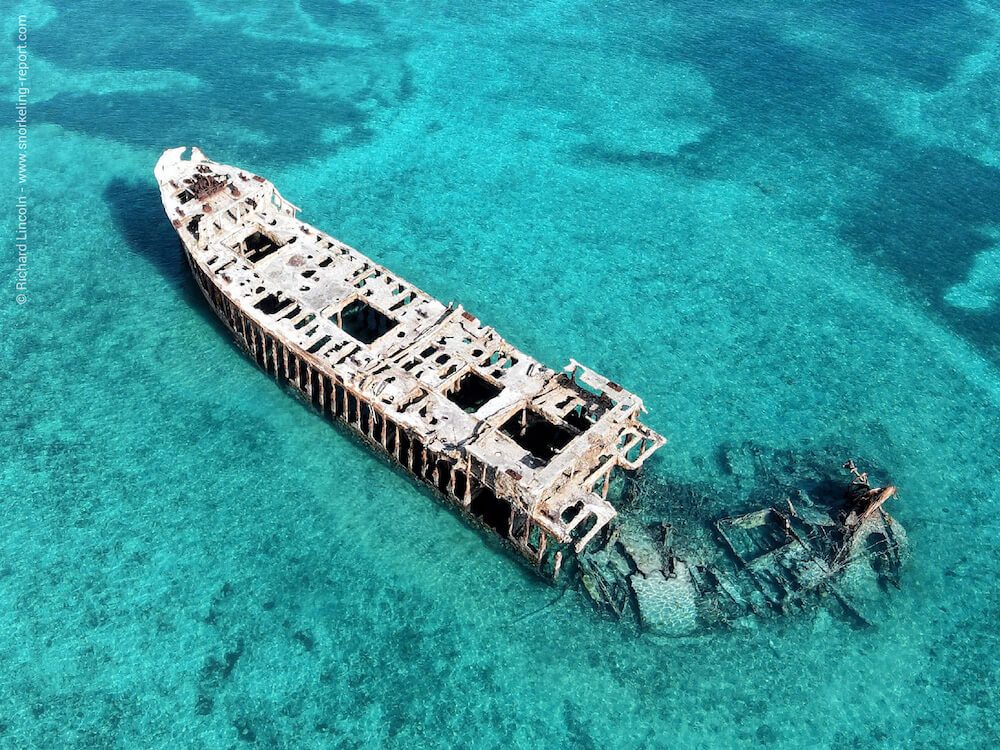
SS Sapona
A concrete ship wreck resting in shallow water, this site serves as a habitat for tropical fish and provides a clear view of historical maritime structures.
Swim around the stern to observe fish congregating in the hull.

Bimini sits less than fifty miles from Florida, yet its reefs hold visibility that rivals destinations ten times the distance. Public access is unrestricted, but the difference between cloudy shallows and electric-blue drop-offs comes down to timing, tide, and knowing which shoreline to enter. This guide maps the logistics that separate a guessing-game morning from water you'll measure every future reef against.
Quick answer
The best snorkeling bimini bahamas combines free access to public reefs with paid excursions to sites like the Sapona wreck and Victory Cay. Arrive between 09:00 and 14:00 for optimal sunlight penetration and water clarity. Most shoreline reefs require only mask, fins, and snorkel; remote sites and the Bimini Road formation are reached via guided boat tours that handle navigation and current safety.
Bimini's reefs sit on the edge of the Gulf Stream, where warm current sweeps plankton and sediment offshore and leaves behind water clarity that registers over one hundred feet on calm days. The island chain spans less than nine miles, yet its western shallows, eastern drop-offs, and scattered wrecks create snorkeling variety that takes days to exhaust. Public beaches grant direct entry to coral gardens within fin-kick distance of shore, while offshore sites demand boat transport and local knowledge of tide windows. The Sapona wreck lies in fifteen feet of water off South Bimini, its concrete hull hosting nurse sharks, stingrays, and dense schools of sergeant majors. Victory Cay's elkhorn coral stands form a natural amphitheater where visibility peaks in the late morning, and the shallow platform lets beginners hover without finning. The Bimini Road—submerged limestone blocks debated as either ancient pavement or natural beachrock—runs parallel to the coast in water shallow enough for freedivers to examine closely. Each site answers to tide and wind; the same reef that glows under midday sun turns murky under afternoon chop. Snorkeling Bimini without a guide is possible along Radio Beach and Blister Bay, where sand entry slopes gently and reef crests mark themselves with breaking ripples. Boat excursions provide access to sites where current knowledge prevents drift and local operators track seasonal aggregations of eagle rays and lemon sharks. Gear rental is available at dive shops in Alice Town, though most visitors arriving by ferry or seaplane bring their own masks to ensure fit. The distinction between a forgettable swim and the best snorkeling Bimini Bahamas offers rests less on equipment than on reading light, tide, and which shoreline holds the day's cleanest surge. Entry is free; the cost lies in transport for remote reefs and the decision to chase offshore legends or settle for shallows you can wade into without a briefing. Either choice delivers water clear enough to count fish from the surface, provided the clock and compass align.
“Bimini's reefs sit on the edge of the Gulf Stream, where warm current sweeps plankton offshore and leaves behind water clarity that registers over one hundred feet on calm days.”
The best arrival window for snorkeling in Bimini is 09:00–14:00, providing the optimal lighting for water clarity and visibility of marine life. Choosing the right season further enhances conditions by balancing water temperatures with lower storm risks.
—
Arriving between 09:00 and 14:00 ensures peak sunlight penetration for clear underwater viewing.
Warm, 80°F to 85°F
These months offer calm seas and high water temperatures, ideal for extended snorkeling sessions.
Hot, 85°F to 90°F
While temperatures are higher, this period coincides with hurricane season, so check local forecasts before planning.
Cooler, 70°F to 75°F
Cooler air and water temperatures occur, though visibility remains high during periods of calm winds.
Verdict: The best time for snorkeling is mid-April through June, specifically arriving between 09:00 and 14:00 to maximize underwater visibility.
Bimini offers distinct underwater environments ranging from historic shipwrecks to natural geological formations. These sites provide varied opportunities to observe marine life in clear Atlantic waters.
A concrete ship wreck resting in shallow water, this site serves as a habitat for tropical fish and provides a clear view of historical maritime structures.
Swim around the stern to observe fish congregating in the hull.
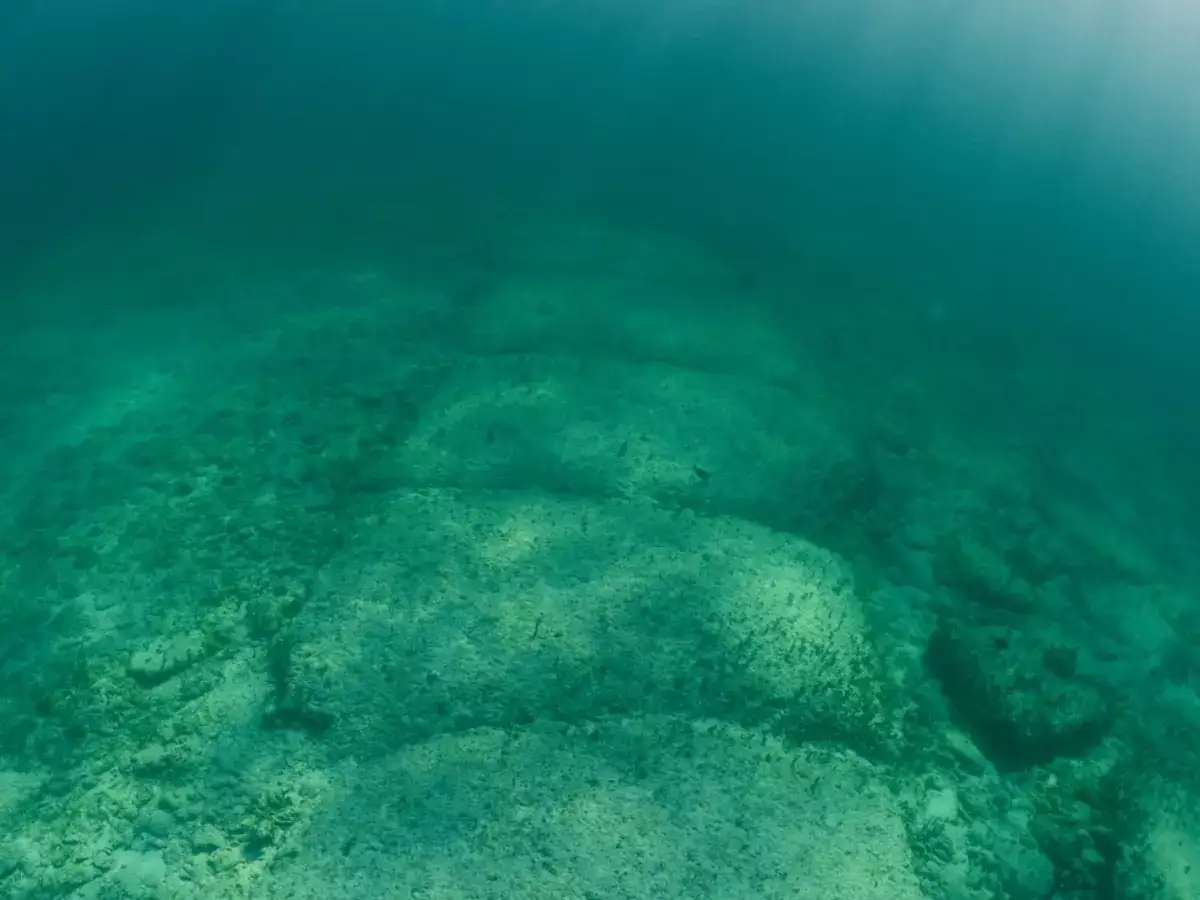
This underwater rock formation consists of large rectangular limestone blocks stretching along the seafloor, often debated for its geological or potential artificial origins.
Follow the path of the stones to observe their precise alignment.
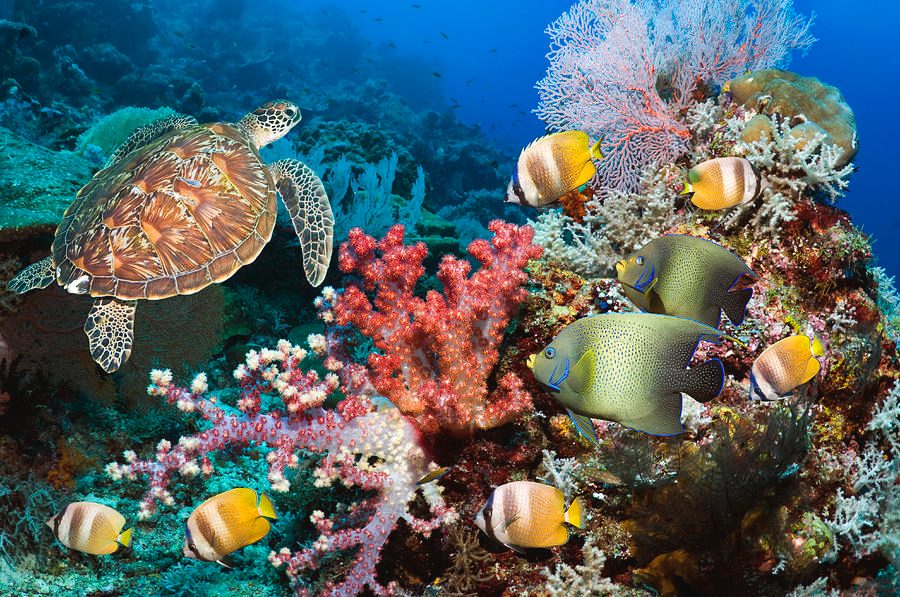
A series of coral reefs teeming with marine life, including sea turtles, stingrays, and various reef fish species.
Look under coral ledges to spot resting sea turtles.
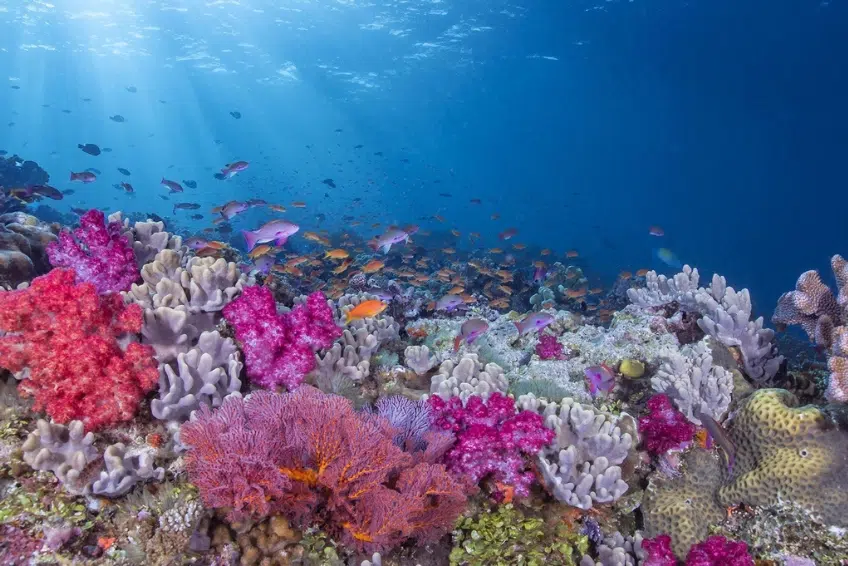
Known for its high concentration of colorful coral and diverse fish populations, this shallow reef offers visibility for snorkelers of all levels.
Stay near the shallow sandy patches to see larger schools.
Access to snorkeling in Bimini varies depending on whether you visit public shore-accessible reefs or require a boat for offshore sites. Public beaches and reefs remain open to the public without an entry fee, while offshore locations necessitate a paid excursion.
Verdict: A typical visitor pays 0 USD to access public snorkeling areas, with costs only applying when booking a private or guided boat excursion.
The public reefs and beaches surrounding Bimini are accessible to visitors at all hours throughout the week.
Bimini is located in The Bahamas, accessible via air or ferry to the islands. Reaching offshore snorkeling sites requires boat transport from either North or South Bimini.
Private charter from Alice Town or Bailey Town
Excursion vessel from Resorts World Bimini marina
Local transit to marina departure points
Plan your arrival to the snorkeling departure points between 09:00–14:00 to ensure optimal lighting for water clarity and visibility of marine life.
Prepare these essentials before heading to Bimini's reefs.
Everything you need to know about best snorkeling bimini bahamas
Finding the best snorkeling bimini bahamas locations often involves identifying reefs with clear visibility and calm currents. Many visitors prioritize areas like the Sapona shipwreck or Rainbow Reef to observe diverse marine life. Exploring these underwater environments provides a glimpse into the local ecosystem of the Bahamas. Proper planning ensures you can locate the best snorkeling bimini bahamas spots while maintaining safety in the water.
Public reefs and beaches in Bimini are free to access, meaning there is 0 USD entrance fee for general exploration. While public areas do not charge admission, visitors often choose paid excursions to reach offshore reefs comfortably. These guided tours provide equipment and transport, which are separate from public access costs. Always check if your chosen excursion includes gear rental or if you need to provide your own.
The best arrival window for snorkeling is between 09:00 and 14:00 to ensure optimal lighting for visibility. During these hours, the sun is positioned to highlight the clarity of the water and the vibrant colors of the coral. Planning your trip during this window maximizes your chances of seeing diverse marine life. Most local guides also recommend this timeframe for the best snorkeling bimini bahamas conditions.
Yes, numerous professional operators offer organized water tours to help you reach the most popular reefs. These excursions typically include boat transport, safety briefings, and sometimes gear rental services. Booking a tour is a convenient way to navigate the waters around the island. It allows you to focus on the marine environment while experts manage the logistics.
Snorkeling in Bimini can be family-friendly, provided the water conditions are calm and children are confident swimmers. Many shallow reefs are suitable for younger participants to enjoy under direct adult supervision. Always check current weather reports and water conditions before heading out. It is advisable to use high-quality life vests and ensure children have properly fitted masks.
Packing for a reef tour should include sun protection like reef-safe sunscreen, a towel, and a waterproof camera to capture the marine life. If you have your own snorkel mask and fins, bringing them can ensure a comfortable fit throughout the day. Staying hydrated is also essential when spending time under the tropical sun. Most tour operators provide drinking water, but having your own supplies is helpful.
Some shore snorkeling is possible, but many of the highest-rated sites are located offshore and require a boat for access. Using a local charter service is the most reliable way to reach distant reefs safely. While you can wade into the water from public beaches, a boat trip opens up more diverse coral formations and underwater structures. Relying on local expertise helps you navigate the currents effectively.